Here's something I tell every family who walks through our doors:
Strength and conditioning isn't one more activity competing with games, skill work, and exposure for a limited number of hours. It's the foundation everything else sits on. Skip it, and you're not saving time. You're borrowing it, at interest, from your kid's ceiling and their health.
I don't say that lightly. Between myself and my family, eleven of us have played Division I sports or higher — and I've personally been in the room training a number of them, start to finish, from the earliest stages through their college careers. This isn't theory for me. I've watched the kids who built a real strength foundation early, and I've watched the ones who skipped it because a game or a showcase felt more urgent that week. The gap between those two paths shows up later, and it's not small.
Here's a number worth sitting with: researchers at Loyola University tracked over 1,200 young athletes and found that kids who play a single sport more hours per week than their age — a 12-year-old logging 13+ hours a week, for example — are 70% more likely to suffer a serious overuse injury than other kinds of injuries. Not "a little more likely." Seventy percent.
That's not a scare tactic. It's a measurement. And it's exactly the kind of injury a strength foundation is built to prevent.
One thing to do this month: if you don't already know how many hours a week your athlete is training and playing across everything — practices, games, lessons, open gym — add it up. Compare it to their age. If it's close or over, that's worth a conversation, not a panic.
What happens when training stops:
Strength holds for about two weeks, then starts sliding. By four weeks off, real, measurable strength loss shows up — and the longer the break goes, the faster it accelerates.
Speed and power go first, and they go fast. The fast-twitch muscle fibers that make an athlete quick and explosive start shrinking within weeks of stepping away — faster than raw strength fades.
Conditioning disappears quicker than anything else. Aerobic capacity can drop roughly 6% in just two weeks off, and up to 15–20% by four weeks.
The heart adjusts almost immediately. Blood volume — how efficiently oxygen gets to working muscles — can start dropping within 48 hours of the last training session.
None of it comes back as fast as it left. Rebuilding lost strength and conditioning almost always takes longer than it took to lose it.
The riskiest moment isn't the time off — it's the return. Jumping back into full-speed games and practices on a body that's already lost some of its protection is exactly when soft-tissue injuries spike.

Athlete Highlights
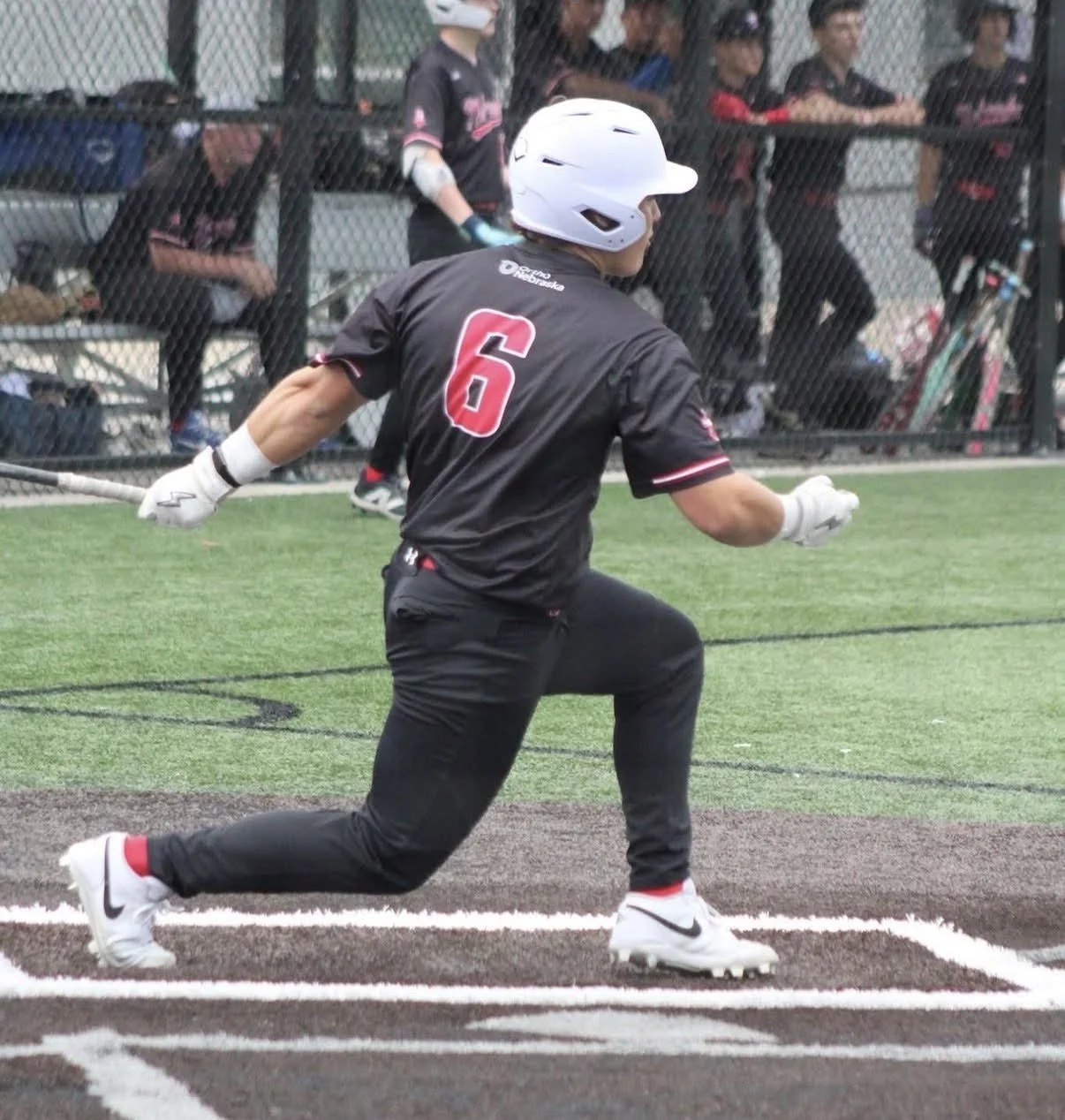
-Logan Urban (Millard West High SCHOOL): Hitting .578 with 21 runs, 29 RBI, & 4 homeruns
-Evan Miller (Millard West High SCHOOL): Named the number 17 recruit by prep baseball of nebraska
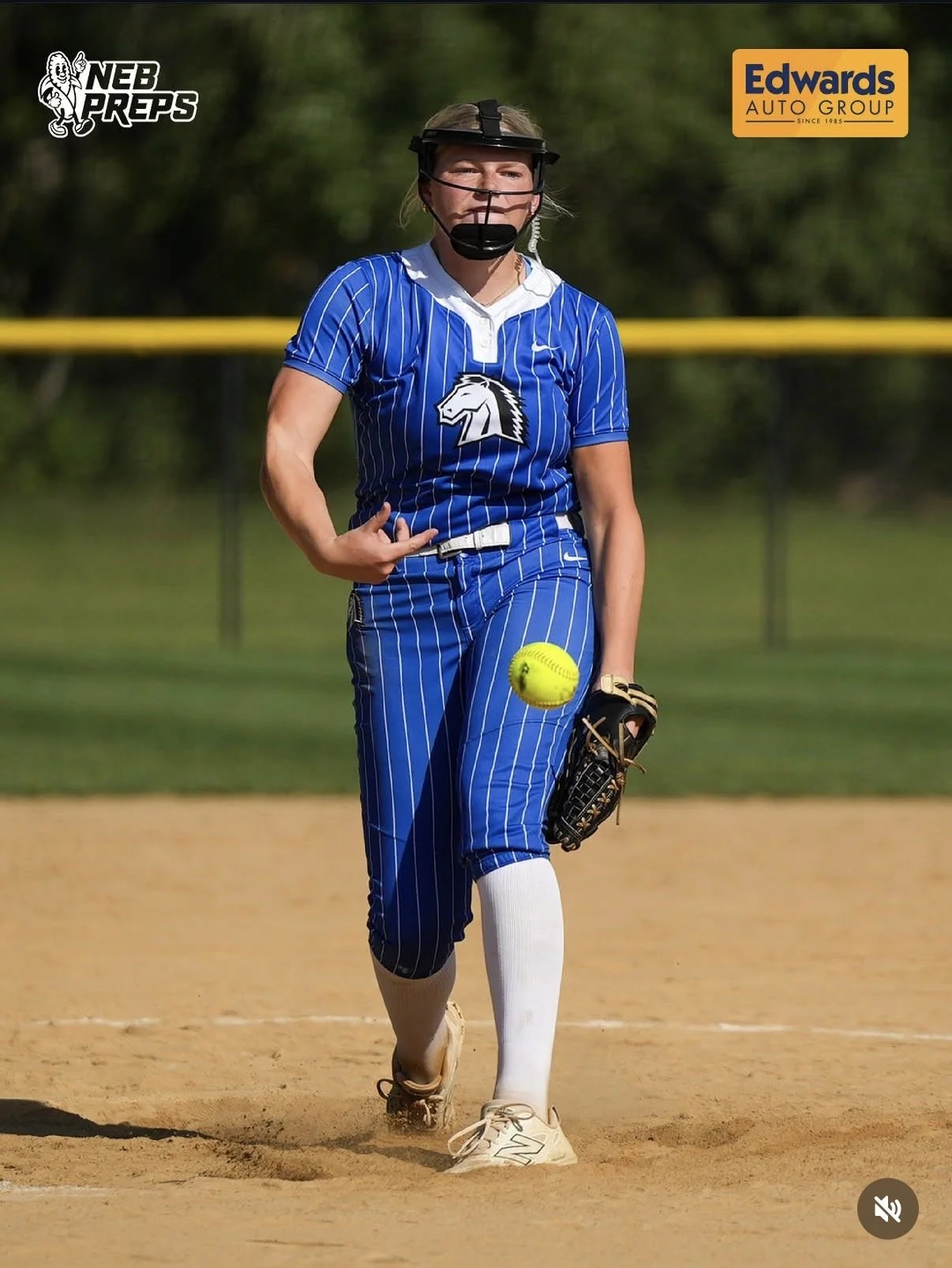
-London Garcia (Millard West High School): 10-1 record, 2.43 ERA, 61 strikeouts
-Nathan Murray (Blair High School): Team high 17 total tackles including one tackle for loss
-Brogan Moyer (Gretna East High School): 14 total tackles including 3 solo tackles & 1 tackle for loss
-Jules Serverson (Millard North High School): 8-2 record, 2.45 ERA, 43 strikeouts
-Ayden Furstenau (Gretna High School): 10 total tackles including two tackles for loss, a sack, and a forced fumble


















Omaha mastery aaa hockey
Millard west baseball